
Every designer leaves a signature. For Yasmine Ammar, it comes not only through a recognisable style, but through the stories her spaces quietly tell.
Born in Casablanca and shaped by a multicultural upbringing, extensive travels, and a deep appreciation for craftsmanship, the architectural and interior designer creates refined residential and hospitality spaces where beauty, functionality, sustainability, and wellness exist in harmony.
Having delivered more than 20 projects across the United States, Yasmine is equally at home designing restrained soft modernist interiors as she is composing richly layered spaces, always guided by context, culture, and the people who will inhabit them.
For this piece, we sat down with Yasmine to learn more about the philosophy, influences, and experiences that continue to shape her work.
– Featured image courtesy of Yasmine Ammar –
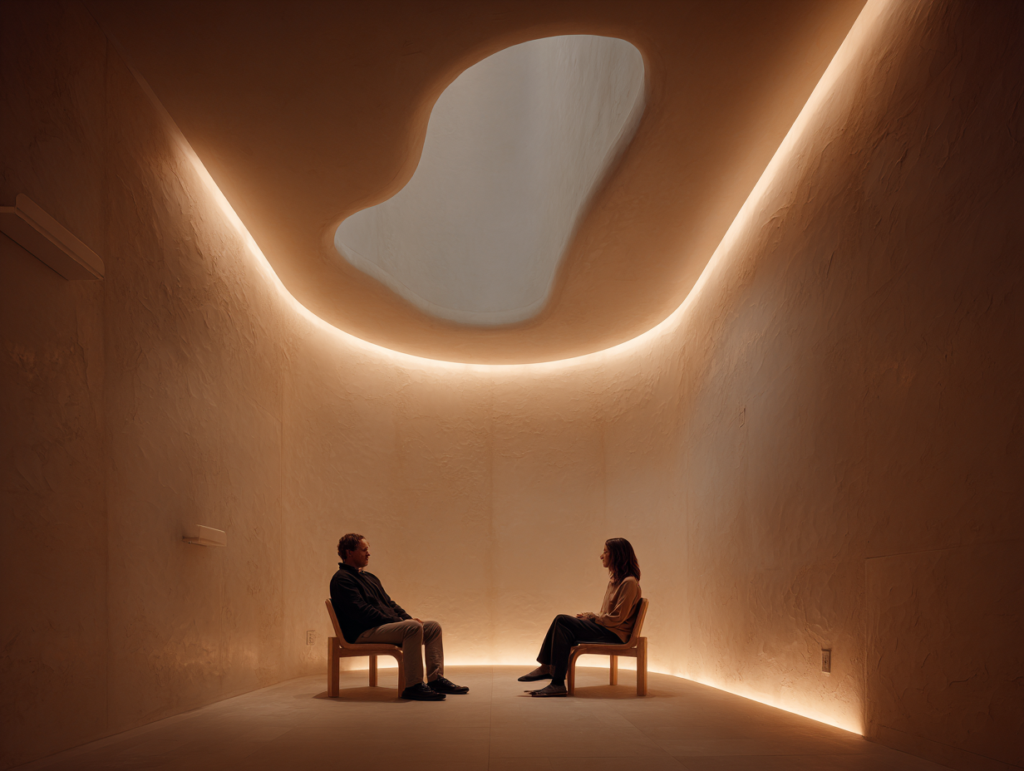
Your background spans quite a range, from growing up in Casablanca to delivering projects across the United States. Can you tell us about your multicultural heritage, how it manifests in your work, and how it shapes the way you interpret the history, culture, and context of new projects?
I feel fortunate to have had the upbringing I did, and I credit it with much of the knowledge and perspective I’ve gained over the years. Growing up in Casablanca exposed me to an incredible blend of cultural identities, Arab, African, Mediterranean, and European. They weren’t always aligned, yet somehow coexisted in harmony. These roots have reinforced my belief that design is never an isolated aesthetic exercise. It’s a reflection of history, identity, climate, and the people who experience it.
Whenever I begin a project, I make a conscious effort to explore the story of the site more deeply, from its broader cultural and historical influences down to the smaller details that often go unnoticed. What I uncover is often remarkable and becomes the driving force behind a sophisticated and richly layered design process.
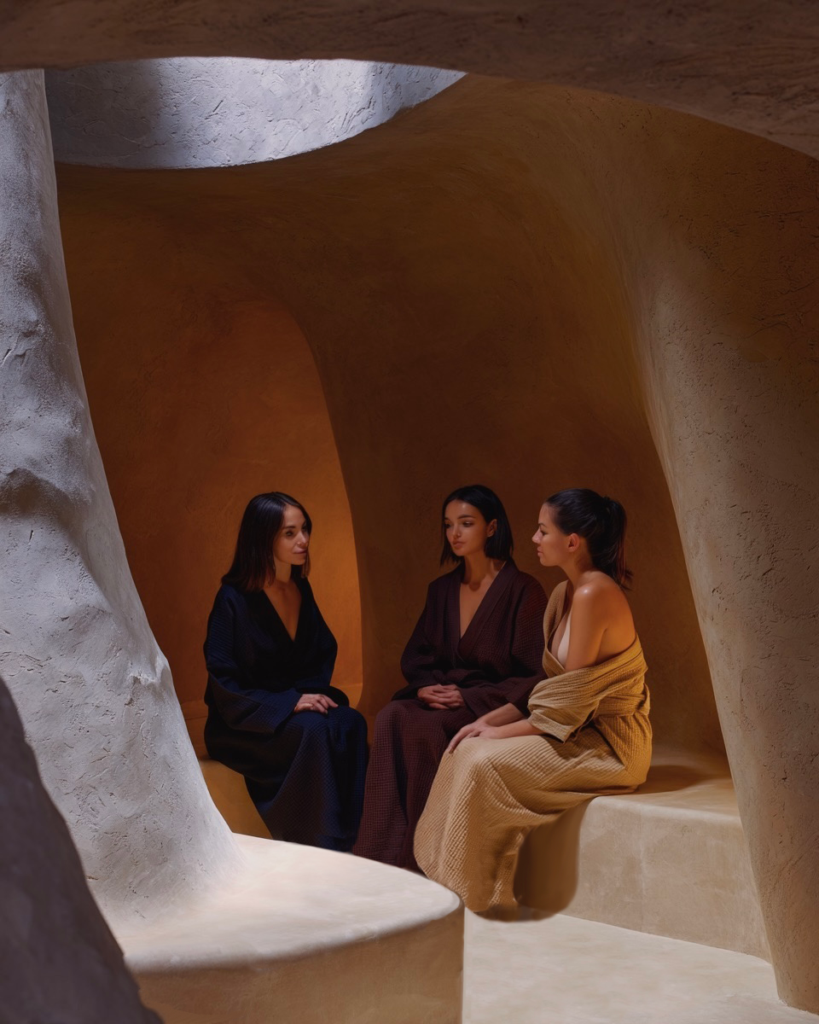
You navigate fluidly between a disciplined soft modernism and a calibrated approach to maximalism. What is the common thread or philosophy that connects these two seemingly opposite aesthetics in your work?
My craft is essentialist at its core. Not minimalist, not maximalist, but essentialist. Somewhere between the two, if you will. There is nothing more elegant to me than crafting a meaningful story for a space and distilling it to its essence. The goal is to strip away the noise while preserving the soul of a place: its character, its uniqueness, and the details that give it meaning.
The common thread throughout my work isn’t a signature design style but a sense of alignment. I’m passionate about creating tailored experiences that have depth and emotional resonance while remaining responsive to and respectful of their context, whether a project calls for richness or restraint.
You place wellness and sustainability at the core of your philosophy rather than treating them as mere trends. How do you approach the use of non-toxic materials and natural design to transform spaces into environments that connect people with nature?
I come from a family of dedicated healthcare professionals, so health and wellness are values that were instilled in me from an early age. They have always been an authentic part of my design ethos, not a trend I’m following or a last-minute addition. Taking care of our planet has always felt natural to me because it’s our home. I believe it is our duty not only to protect it but also to preserve it for future generations, and the rewards often come back tenfold.
These values are reflected in my projects through the meticulous selection of sustainable materials and a commitment to integrating smart technologies that improve building efficiency while also enhancing the well-being and overall guest experience.
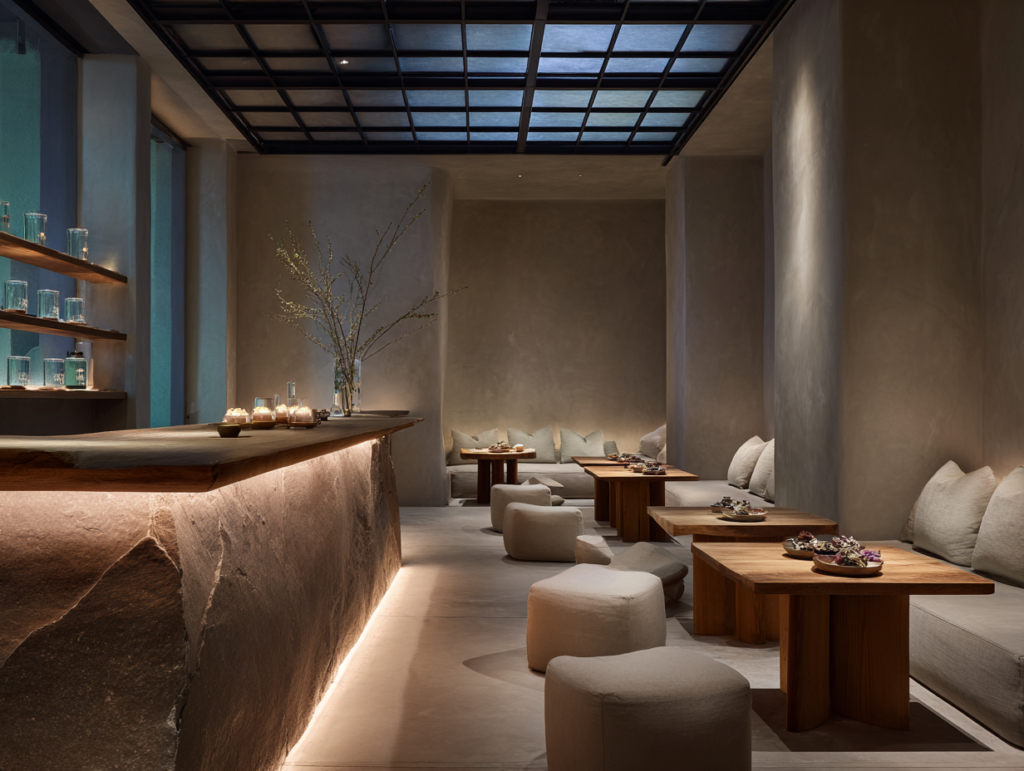
Designers often face a tension between creative vision and practical constraints, yet you value integrated technologies that optimise cost and building efficiency. How does your technical acumen and rigorous compliance with building codes actually sharpen, rather than restrict, your creative freedom?
Over the years, I’ve come to realise that technical knowledge is not a limitation on creativity. It often expands what’s possible. A strong understanding of building codes, construction, and emerging technologies gives me a better sense of how far an idea can be pushed and ultimately brought to life. It also makes me far more effective throughout the design process.
Rather than restricting the creative process, technical expertise provides the foundation needed to pursue ambitious ideas while remaining pragmatic and ensuring they can be successfully built.
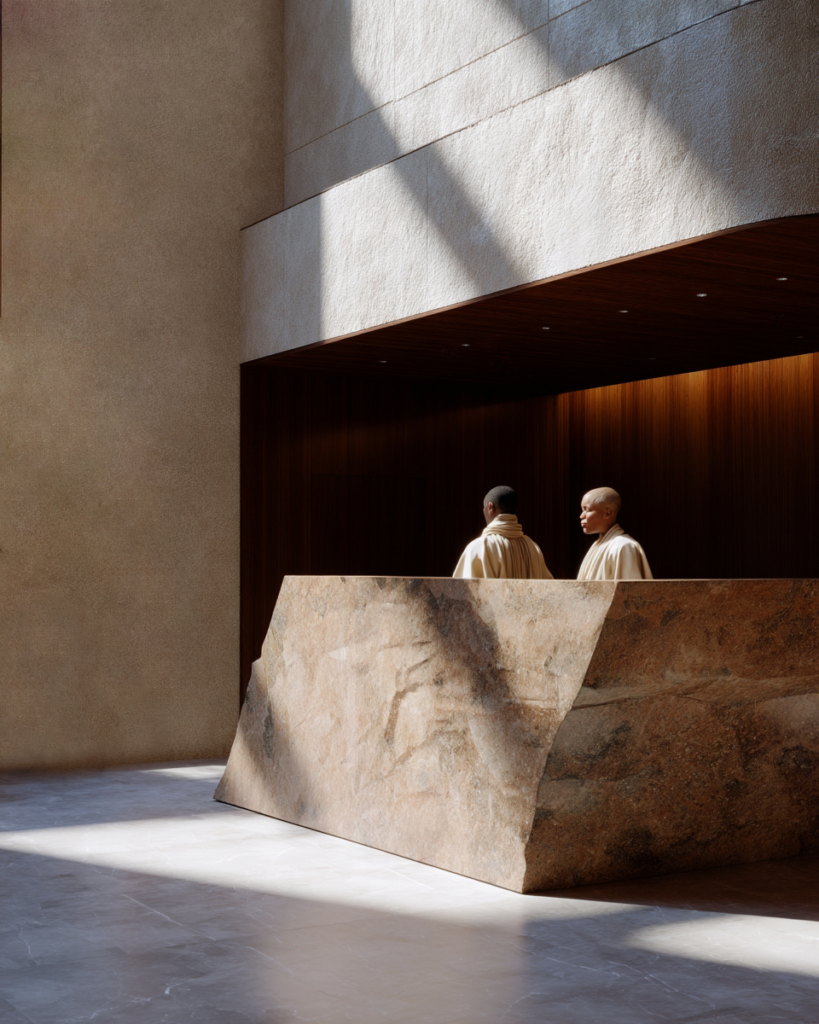
Ultimately, you aim to create transcendent experiences that leave a lasting impression. When a client or guest steps into a space you have designed for the very first time, what is the exact feeling or emotion you hope to evoke?
Beyond creating memorable experiences, which has always been one of my goals, I want every guest to feel, above all, a sense of belonging. I want the spaces I design to feel hospitable at their core and to tell a layered story that guests feel compelled to explore and connect with. If that story evokes an emotional response, whether curiosity, nostalgia, calm, tension, or awe, and stays with them long after they’ve left, then I’ve achieved my goal.

Having delivered projects from concept design through to construction administration, both independently and with award-winning firms, what is the most critical lesson you’ve learned about maintaining the integrity of your initial vision through to completion?
In hindsight, I realise that the most successful projects I’ve contributed to have been those where the entire team was aligned around a strong vision and a shared commitment to a high standard of execution. One of the most important lessons I’ve learned throughout my career is that once a project has a compelling narrative, one that’s informed by thorough research and rooted in the cultural and historical context of a place, it creates a solid foundation for everything that follows.
That story needs to remain the project’s north star from concept through to completion. When every design decision is measured against that original vision, it becomes much easier to preserve the integrity of the design as the project evolves. Once that foundation is in place, the rest of the design process flows naturally, resulting in a cohesive and seamless outcome.