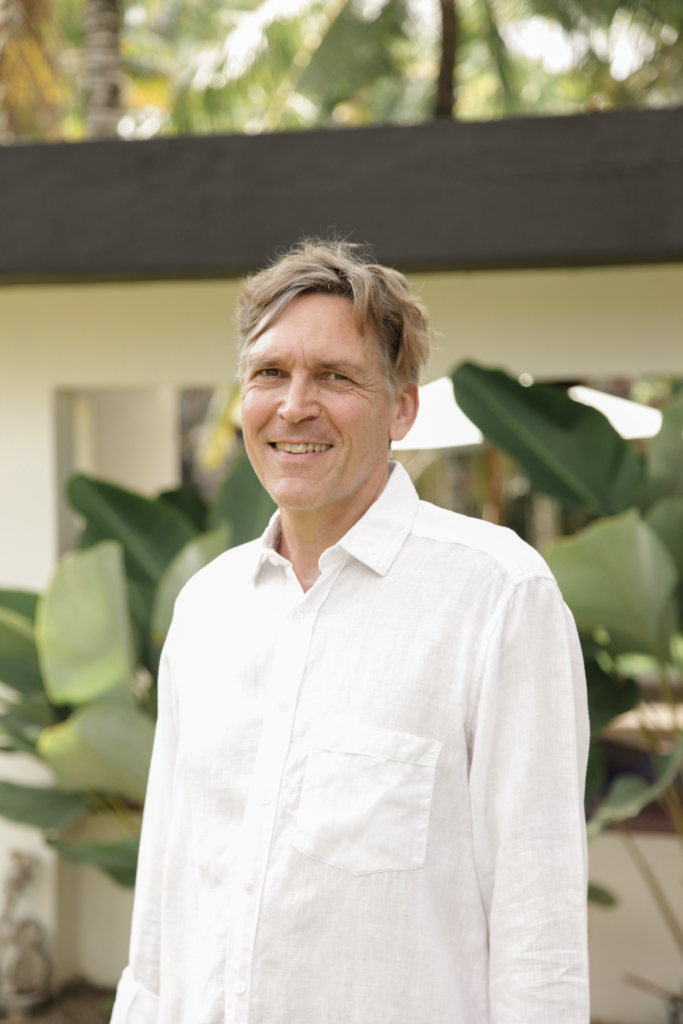
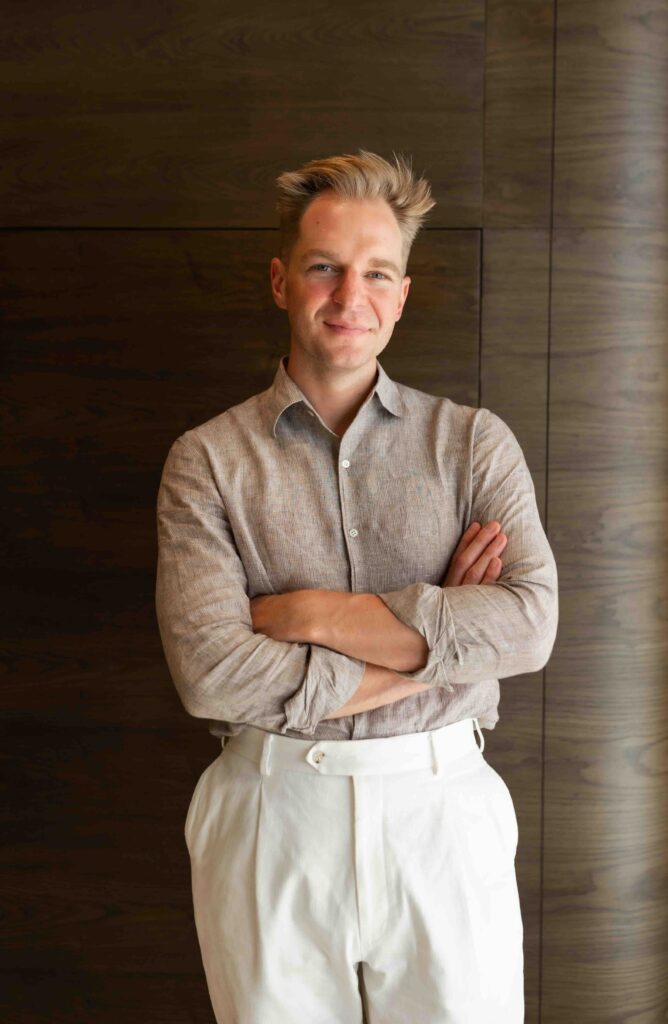
“It’s harder to measure than a good workout, but waking up without an alarm and not yawning during the day really changes your overall well-being,” says Stefan Magnus, Founder of Heveya.
It’s a feeling we can all relate to. On those rare occasions when we get enough uninterrupted sleep, we wake up feeling almost brand new. The world seems a little kinder, our patience stretches a little further and even the smallest of tasks feels less taxing. Yet, in an age when we religiously count our steps, invest in elaborate skincare routines and travel miles in pursuit of wellness, how ironic is it that we often deprive ourselves of the very thing that makes us feel our best?
For Magnus who spent 25 years supplying components to mattress manufacturers before founding Heveya, the realisation that the sleep industry was more concerned with selling mattresses than helping people sleep better became the impetus for building a brand of his own.
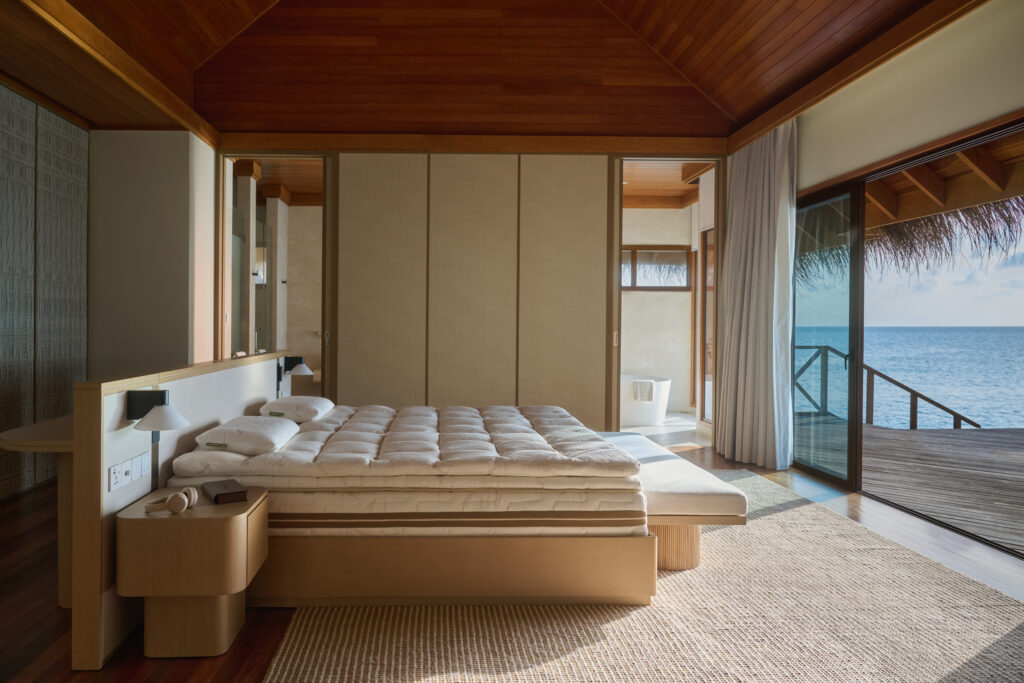
Named after Hevea brasiliensis, the rubber tree from which natural latex is harvested, Heveya champions natural materials, responsible sourcing and, perhaps most importantly, the understanding that sleep is deeply personal. That philosophy is now finding its way into luxury hospitality. Through its Sleep Concierge Service introduced at Huvafen Fushi Maldives, Heveya allows hotel guests to personalise everything from the firmness of their side of the mattress to their pillows and bedding.
“I think it has to work on a normal Tuesday night, not just in the brochure,” says Thijs Veyfeyken, Managing Director of Heveya, on what makes sleep tourism more than a passing wellness trend.
In our conversations with Magnus and Veyfeyken, we explore the overlooked value of a good night’s sleep, why a five-star stay doesn’t necessarily guarantee five-star rest, and how the next chapter of luxury hospitality might be less about what awaits us outside our hotel rooms and more about how well we sleep in them.
– All images featured in this article are courtesy of Heveya –
From Our Conversation with Stefan Magnus, Founder
1. Having spent decades in the sleep industry, what’s something you have come to understand about rest that you wish you had known much earlier?
I worked for 25 years as a supplier of components to mattress manufacturers before starting Heveya. Looking back, the whole industry was focused on efficient production and on mattresses that looked beautiful, and of course, they had to be fairly comfortable. But nobody was asking, “How well do our customers sleep?” or “Did my customer buy what is really best for him or her?” Management usually had a production background, and sales and marketing were all about new models and confusing price ranges. Basically, it was a “what’s your budget?” sales approach.
So, honestly speaking, during those first 25 years, I didn’t learn much about sleep. The whole industry was just product-focused. It’s only in the last ten years, since I started Heveya and began working directly with individual customers who come to us with specific sleep issues, that I have become more aware of how misguided the industry’s focus was. Manufacturers always needed something new: a spring with one more turn, a different kind of foam, a faster quilting machine. In the meantime, fundamental questions about what is best for you as a heavier or lighter person, an athlete, or someone with rheumatism or lower back pain were hardly addressed.
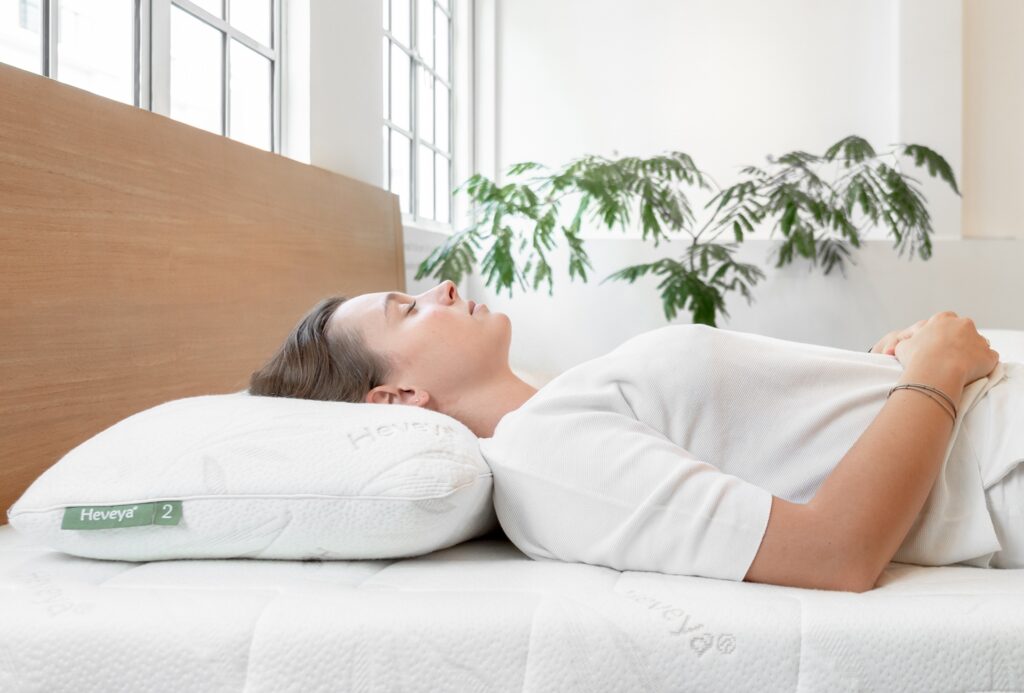
Not only that, but as a couple, you have to choose the same mattress feel as your partner. If, for example, you have broad shoulders and are a side sleeper, the top of your mattress needs to be softer so that your shoulders can sink in deeper. You should also have a matching pillow with the right height to fill that gap so that your spine is naturally aligned. What are the chances that your partner needs exactly the same thing? Couples go to a mattress store where there are 45 different models, but you “have to” like the same feel. That doesn’t make sense.
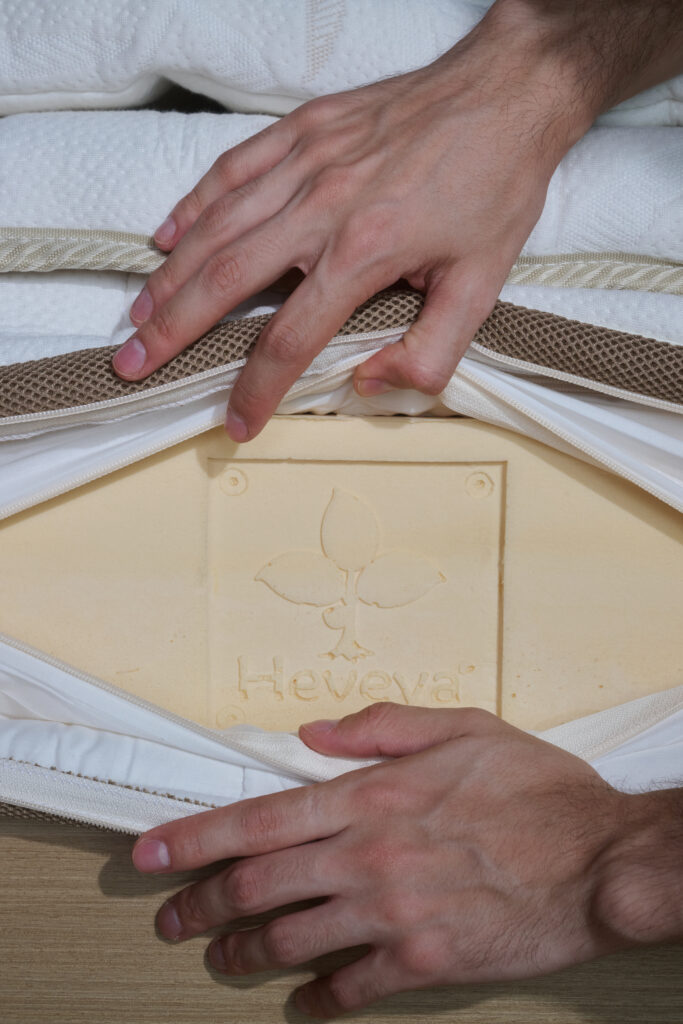
So at Heveya, we built a modular system where the left and right sides can have different feels, and you can change the feel over time by simply swapping the core on your side. Bodies and preferences change; your mattress should be able to change with them. So, what do I wish I had known earlier? That sleep is personal. I would have started Heveya much earlier!
2. Wellness has become a huge part of modern life, from elaborate spa treatments to fitness retreats. Yet something as fundamental as sleep is still often overlooked. Why do you think it has taken us so long to recognise its importance?
It’s only in the last 20 years or so that sleep scientists have been publishing evidence of how important it is to get enough good-quality sleep. Before that, we thought sleep was a waste of time. People who could sleep only a few hours a night and still perform were admired. Now we know that a lack of sleep has short-term downsides like reduced focus, lower performance and more accidents, and long-term risks, like heart disease, diabetes and even dementia.
And it’s really only in the last five years that this knowledge has become mainstream. But sleep is invisible. At lunch, people talk about the food or the workout they did that morning. Nobody talks about how they slept. You can post your workout or your healthy lunch, but nobody posts a good night’s sleep. So it never got much attention.
Still, we can clearly tell from conversations in our showrooms that people really care about sleeping well. It’s harder to measure than a good workout, but waking up without an alarm and not yawning during the day really changes your overall well-being.
Until now, a hotel’s star rating has been based on the welcome drink, the lobby, the pool, the size and look of the room, and the amenities. But there’s nothing about how well guests actually sleep.
3. Has travelling the world changed your idea of what a good night’s sleep feels like? Is there anything you have experienced along the way that has influenced your approach to Heveya?
Definitely. I have stayed a few times in five-star hotels where the pillows were so hard and high that I woke up every morning with a stiff neck. In the end, I used a towel as a pillow instead. Five stars, and I slept on a towel. And it’s only in the last few years that some hotels have started paying attention to how well their guests sleep. Until now, a hotel’s star rating has been based on the welcome drink, the lobby, the pool, the size and look of the room, and the amenities. But there’s nothing about how well guests actually sleep. Yet that’s why you go there in the first place. Even a pillow menu is more of a luxury extra than a way to find the pillow that’s best for you.
So this shaped our focus on personalised comfort. When people come to buy a pillow, we first ask about their sleeping position and what mattress they sleep on, so they can try the pillow on a similar mattress in our showroom. Then we ask them to relax as if they were at home in bed and to take their time, because they are about to make an important purchase. They can’t believe how seriously we take it. They came because they heard Heveya sells good pillows, but it’s much more than that. It needs to be the right pillow for you. That’s also why we have trial pillows in our showrooms.
4. If you could change one thing about how people think about sleep and its place in their overall well-being, what would it be?
That would be the importance they attach to it. We spend about one-third of our lives sleeping, and sleep determines how we feel and perform during the day. It affects our relationships, our work, our happiness and our health. There aren’t many things more important in life when you think about it. And all you have to do to sleep better is less. Less worry, less scrolling, less alcohol, less coffee, less light, less noise, less rushing around, fewer expectations. And when you sleep well, your relationships and overall well-being will improve, which in turn helps you sleep better. So it’s an important part of the circle of happiness.
5. Looking ten years ahead, how do you hope our understanding of sleep and wellness will have changed? And what role would you like Heveya to play in that future?
In ten years, I hope we all realise that sleep is not a luxury or a waste of time, but the foundation of our health and happiness, and that we invest the time and effort it deserves.
As for Heveya, we want to keep developing products that are better for our customers and for the environment. Our removable toppers, for example, make the mattress last longer. You don’t need to throw your mattress away and buy a new one. Just get a new topper. Products that last longer are better for you and for the environment.
And we will keep focusing on natural materials. Polyurethane foam, a petroleum product, was invented in 1937 and became popular in the 1950s. Today, almost all mattresses are made with it. And all those millions of foam mattresses ever made are still around today, in some form, haunting our planet. We have been sleeping on natural materials for hundreds of thousands of years. It’s only in the last 70 years that we started sleeping on plastic.
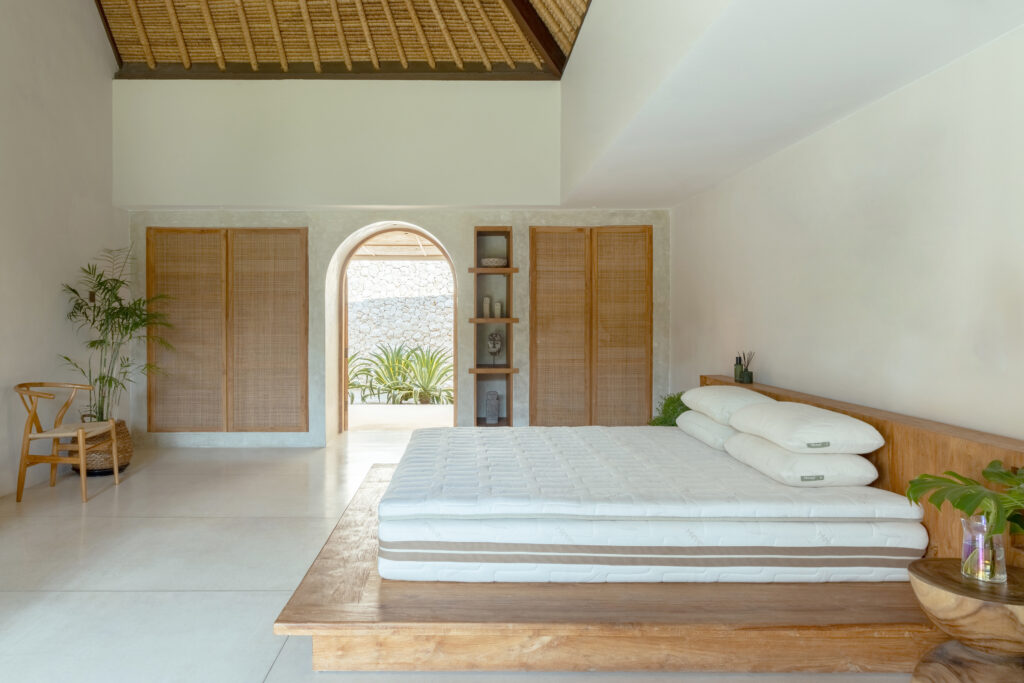
Sleeping on natural materials just feels right. It gives you a positive, peaceful feeling. Physical and mental well-being are connected: when your body is comfortable, your mind can relax too. That’s a timeless value, deeper than any wellness trend. We also want to keep working with sleep and wellness specialists in fields that complement ours, as we did with The Resting Room in Singapore. And we want to walk the talk in our own lives. That’s what the Heveya regenerative farm in Bali is about: slow living.
From Our Conversation with Thijs Veyfeyken, Managing Director
1. We have all stayed in beautiful hotels where we struggled to get a good night’s sleep. What separates a bedroom that looks luxurious from one that actually feels luxurious?
I think everyone knows that feeling. You walk into a stunning room, you take a photo of it for Instagram, and then you quietly spend half the night tossing and turning because the bed just isn’t right for you. Clearly, there is a gap between aesthetics and comfort.
The honest truth is that most high-end hotels look quite similar now. Beautiful rooms, lovely bedding, nice amenities. But every guest gets exactly the same bed as the person who stayed there the night before. And we’re all so different in how we sleep. Some guests need something firm, while others want to sink in a little for a plusher feel. Some sleep on their backs, some curl up on their sides.
For me, a room starts to feel luxurious when it feels like it was set up just for you. That’s what real luxury means to us at Heveya. It’s personal. And it usually comes down to things you can’t see from the doorway, like the right firmness, the right pillow and natural materials that let your body breathe. In a city as humid as Hong Kong, that last one makes a huge difference.
2. There’s something wonderful about waking up in a hotel feeling better than you do at home. What does it take to create that feeling, and how is Heveya helping hotels achieve it?
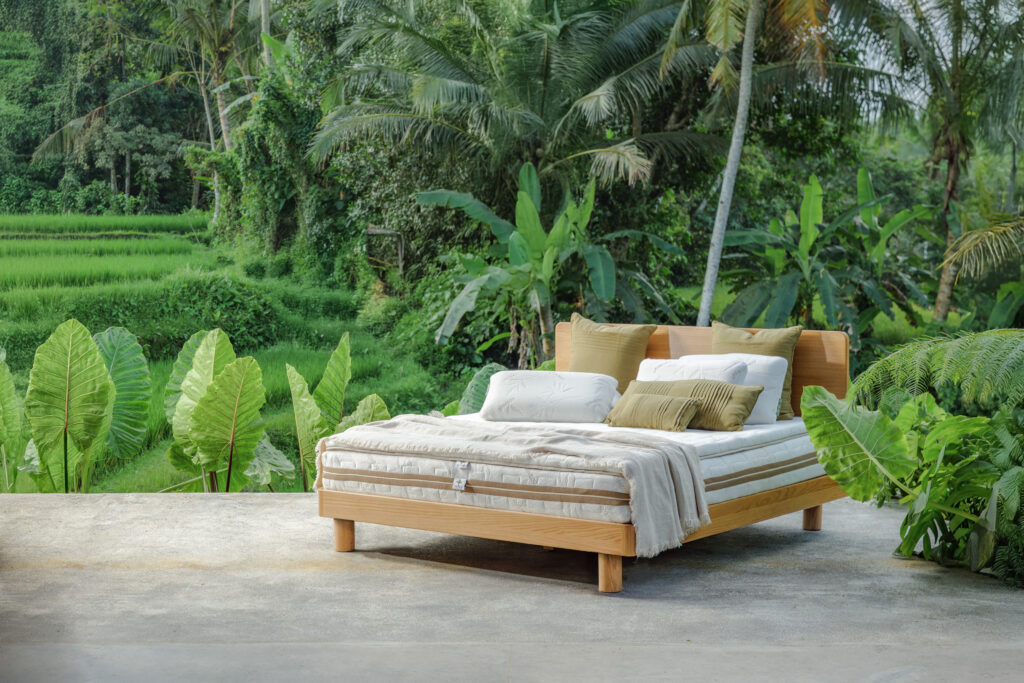
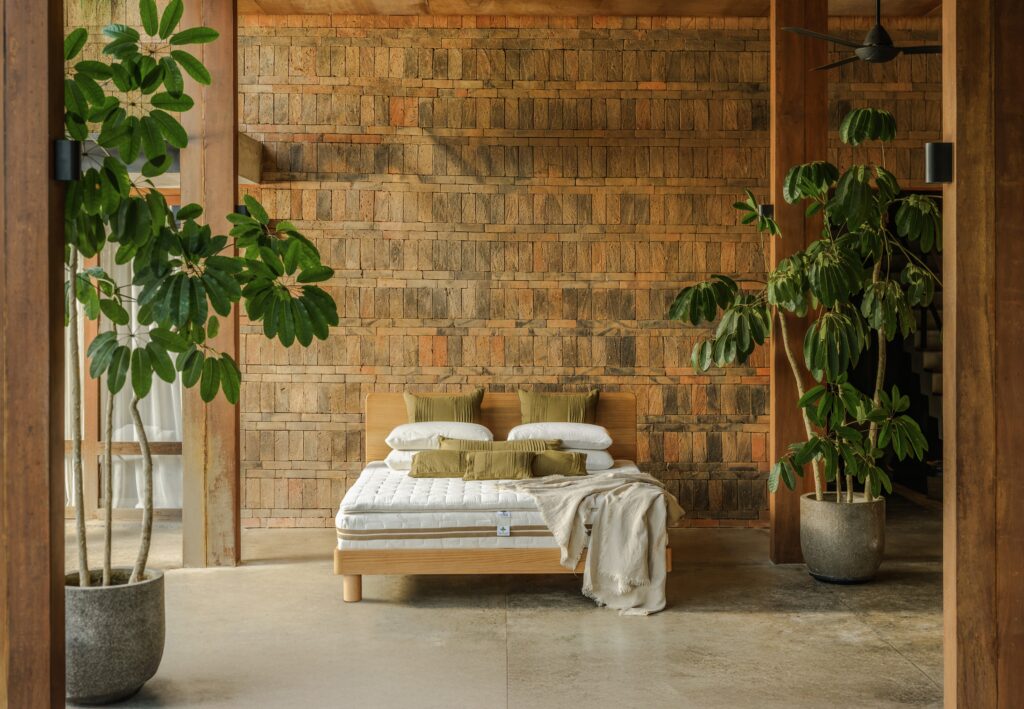
It’s such a good feeling, isn’t it? And funnily enough, it’s not that hard to create. Most people have simply never slept on a bed that was properly set up for them, including the one at home. It starts with the materials. Our mattresses are made from certified organic latex, which comes from the rubber tree. It’s naturally bouncy and breathable, so you don’t wake up hot, and there’s no synthetic foam or chemical smell. A good mattress lasts well over 15 years.
But materials alone aren’t enough. You can have the best mattress in the world, and if it’s too firm for you, you’ll still wake up stiff. So what we do with hotels is help them get the details right for each guest: the firmness, the pillow, the sheets. When all of that fits, you wake up and think, “Why don’t I sleep like this at home?”
3. No two people sleep quite the same way, yet most hotel rooms offer guests the same sleeping arrangements. With Heveya’s Sleep Concierge concept, how are you changing that experience, and how far should hotels go in personalising the way someone sleeps?
This is the part I get most excited about. A good hotel already remembers how you like your coffee or which newspaper you read. But very few know anything about how you sleep, which is strange when you think about it, because that’s what you’re there for. With the Sleep Concierge, guests get a simple, chic link with their booking. They answer a few easy questions about their weight, how they sleep and what level of firmness they prefer. The hotel then prepares the room around them before they check in.
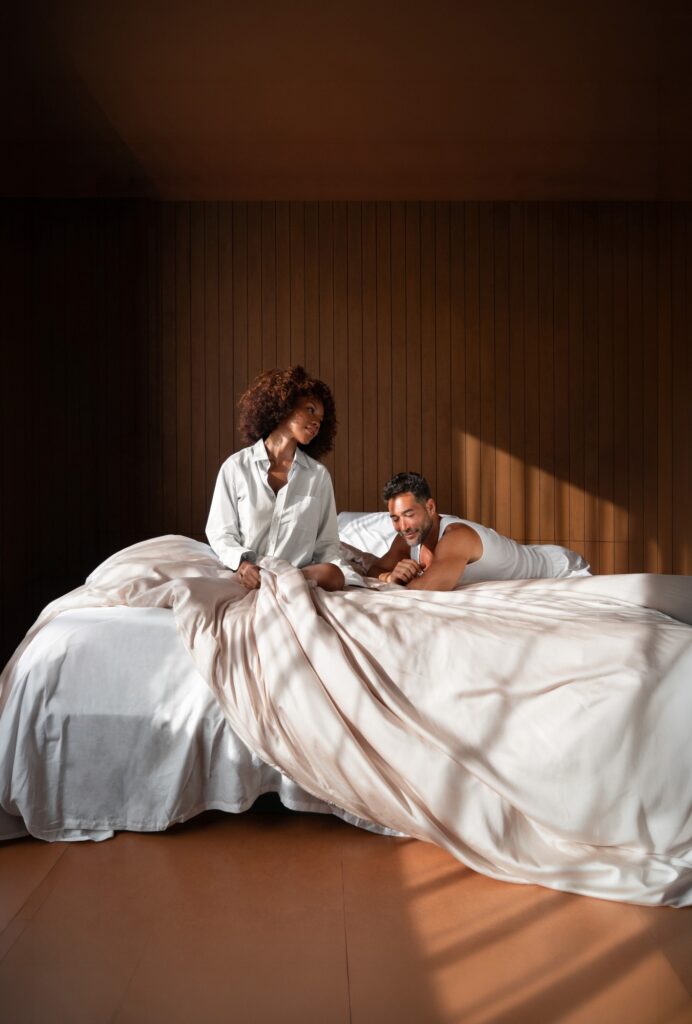
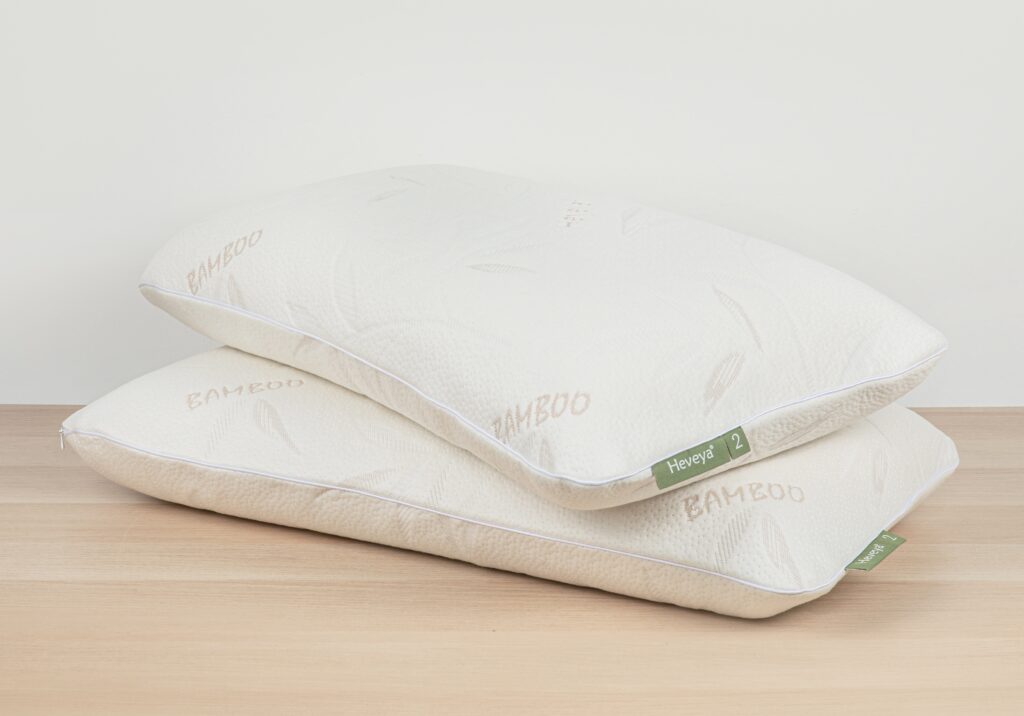
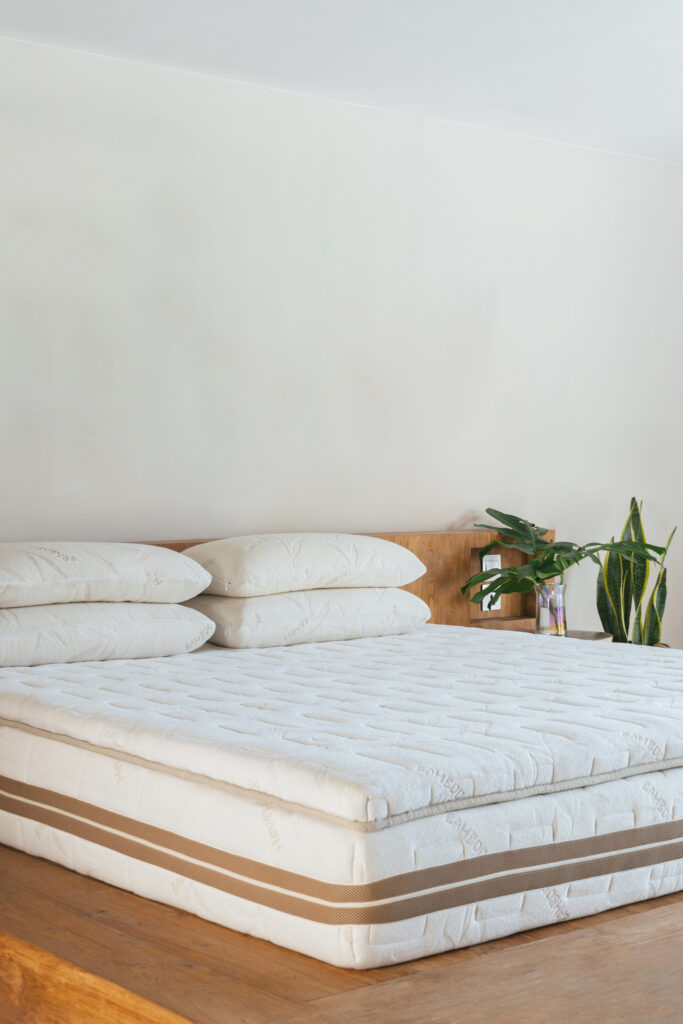
My favourite example is a couple. Often, one person likes a firm bed and the other wants it soft, and normally somebody just has to put up with it. With the Sleep Concierge, his side can be firm and hers soft, each with their own pillow tailored to their preferred sleeping position. We make pillows in six different combinations of height and feel because the width of your shoulders and your sleeping position really change what you need. Once the sheets go on, it looks like any beautiful hotel bed. But it feels even better because it’s made for the two of them.
“It should feel like someone thought about you, not like you’re filling in a medical form.”
Guests can also choose between organic French linen, which feels charmingly textured and natural, and bamboo lyocell, which is beautifully soft and cool. They pick the colour palette of their bedding too, and we finish the room with our natural aromatherapy diffusers and pillow mists. For the hotel team, it stays simple. It’s one mattress that can be adjusted to different firmness levels, so housekeeping sets it up between guest stays. There’s no need to store extra beds, so space is used more efficiently.
How far should hotels go? I’d say as far as the guest wants, and no further. It should feel like someone thought about you, not like you’re filling in a medical form. And the nicest part is that the hotel keeps your profile, so the next time you come back, your bed is already prepared for your best night’s sleep to date.
4. Which hotels has Heveya worked with so far, and how have you helped them rethink the way their guests sleep?
Our first partner for the Sleep Concierge is Huvafen Fushi in the Maldives. They launched it in September, and honestly, I couldn’t have wished for a better place to start.
Guests at a resort like that already expect everything to be taken care of. Sleep was really the last part of the stay that was still the same for everyone. Now each guest arrives to find a bed that’s been tailored to their needs. Two people sharing a villa can have two completely different sides of the same bed, and they’d never know it by looking at it.
We are choosing our next hotel partners quite carefully. It would be easy to roll this out to lots of hotels quickly, but then it becomes just another amenity, and that’s the opposite of what we want. We are looking for hotels that really care about this kind of personal hospitality, where it feels like a natural fit.
5. As sleep tourism becomes part of the wellness conversation, what would make a sleep-focused hotel experience genuinely worthwhile rather than just another hospitality trend?
I think it has to work on a normal Tuesday night, not just in the brochure. A lot of sleep offerings today are a bit of a show, with a pillow menu nobody reads or a sleep package you pay extra for. What actually helps people sleep is much quieter than that: a quality bed, natural materials and a room that’s set up for the person in it.
The real test is when a guest comes back. If they walk in and the bed is already exactly how they like it without them saying a word, that’s when it stops being a trend. That’s simply good hospitality.
6. With Heveya planning to introduce its Sleep Concierge concept to more luxury properties in 2027, what changes do you hope to see in the way hotels approach sleep? What should travellers expect from the next generation of luxury hospitality?
I’d love to see hotels put sleep at the centre of what they offer. It sounds obvious because you book a room to sleep in it. But it’s often the part that gets the least thought. Next year, we’ll bring the Sleep Concierge to a few more properties, and we’ll keep that number small on purpose. I would much rather do it really well in the right hotels than spread it everywhere.
For travellers, I hope the next wave of luxury is a bit less about having more things and more about feeling looked after. A bed that suits you. A hotel that remembers you. In Hong Kong especially, where so many people land tired and go straight into meetings the next morning, a proper night’s sleep can be the reason you pick one hotel over another.
We use cookies on our website to give you the most relevant experience by remembering your preferences and repeat visits. By clicking “Accept”, you consent to the use of ALL the cookies.
This website uses cookies to improve your experience while you navigate through the website. Out of these, the cookies that are categorized as necessary are stored on your browser as they are essential for the working of basic functionalities of the website. We also use third-party cookies that help us analyze and understand how you use this website. These cookies will be stored in your browser only with your consent. You also have the option to opt-out of these cookies. But opting out of some of these cookies may affect your browsing experience.
Necessary cookies are absolutely essential for the website to function properly. This category only includes cookies that ensures basic functionalities and security features of the website. These cookies do not store any personal information.
Any cookies that may not be particularly necessary for the website to function and is used specifically to collect user personal data via analytics, ads, other embedded contents are termed as non-necessary cookies. It is mandatory to procure user consent prior to running these cookies on your website.